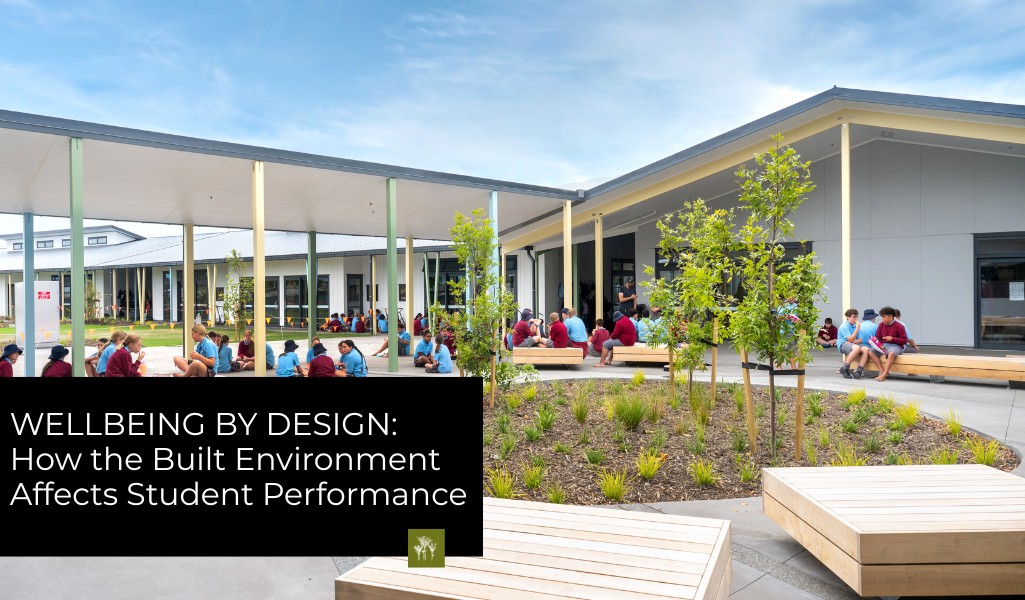
In education, we often focus on curriculum, teaching quality, and technology - but the physical environment can play a powerful, often underestimated role in student wellbeing and performance. The spaces where students learn, socialise, and grow can either support or hinder their development.
With over 60 years in architectural practice across Aotearoa, we’ve seen how thoughtful design can improve concentration, reduce stress, and foster a sense of belonging. Here’s how the built environment affects student outcomes, and why it matters.
1. Natural Light and Views Boost Focus
Daylight is one of the most effective design tools for supporting learning. Research shows that students in naturally lit classrooms:
• Perform better on tests
• Experience fewer behavioural issues
• Report higher levels of engagement
In New Zealand, where our climate allows for generous daylighting, orienting classrooms for natural light while limiting solar gain is of upmost importance.
2. Air Quality and Thermal Comfort Matter
Poor ventilation and inconsistent temperatures can lead to fatigue, headaches, and reduced concentration. Good design supports wellbeing through:
• Cross-flow ventilation with operable windows
• Passive heating and cooling strategies
• Low-VOC materials to reduce indoor pollutants
Comfortable, healthy environments help students stay focused and alert. Monitoring of the spaces for their performance and giving this feedback to the occupants to operate them effectively is part and parcel of good design.
3. Acoustics Shape Behaviour and Inclusion
Noise is a major barrier to learning - especially for younger students and those with sensory sensitivities. Acoustic design should:
• Minimise external noise intrusion
• Use materials that absorb and diffuse sound
• Support quiet zones for reflection and focused work
In inclusive education settings, good acoustics are essential for equity and engagement.
4. Spatial Variety Supports Different Learning Styles
Students learn in different ways. Environments that offer:
• Breakout spaces for small group work
• Quiet corners for individual study
• Open areas for collaboration and movement
These allow students to choose how they learn best, supporting autonomy and confidence.
5. Connection to Nature Enhances Wellbeing
Access to outdoor space, greenery, and natural materials has been shown to:
• Reduce stress and anxiety
• Improve mood and behaviour
• Support physical health and play
In Aotearoa, where connection to whenua (land) is deeply valued, biophilic design is more than a trend - it’s a cultural imperative.
6. Design Reflects Identity and Belonging
Students thrive in environments that reflect who they are. That means:
• Embedding Te Ao Māori principles into design
• Creating spaces that support cultural practices and diversity
• Designing environments that feel safe, inclusive, and affirming
When students feel seen and valued in their surroundings, they’re more likely to engage and succeed.
Design That Supports Learning and Life
Wellbeing isn’t separate from learning - it’s foundational to it. In New Zealand’s education sector, where diversity, inclusion, and innovation are central, architecture must support not just academic outcomes, but the whole student experience.
By designing environments that nurture wellbeing, we create schools that empower students to thrive - inside and outside the classroom.