


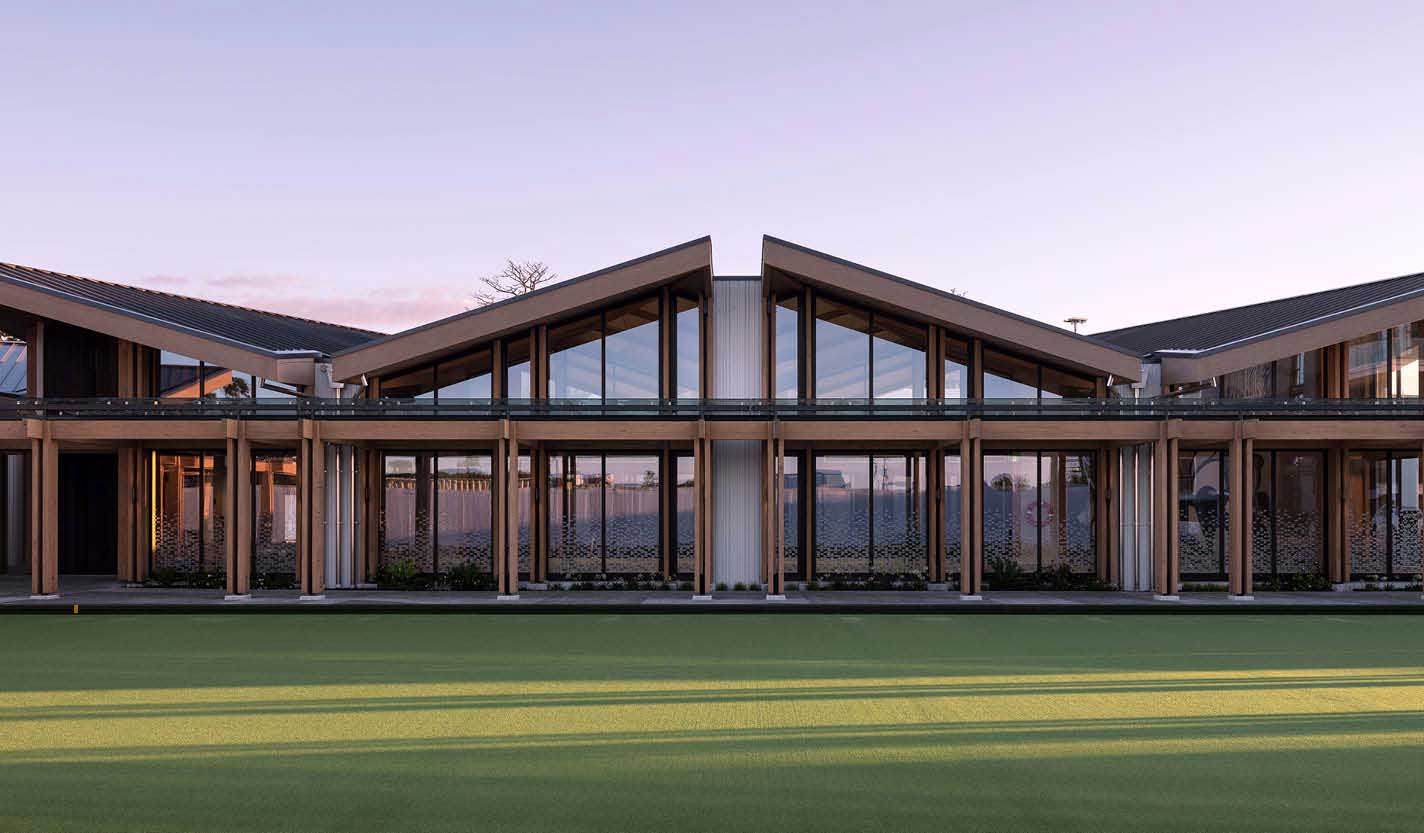
In development, profitability is often seen as a numbers game - land cost, build cost, yield, and sale price. But one factor that’s frequently undervalued, yet deeply influential, is architectural design. Good design doesn’t just make a project look better - it makes it work better, sell better, and perform better over time.
With over 20 years in architectural practice across Aotearoa, I’ve seen how thoughtful design can directly impact a project’s bottom line. Here’s how.
1. Maximising Site Potential
Good architecture starts with understanding the site. A skilled architect will:
- Optimise orientation and layout to increase usable floor area
- Navigate planning constraints to unlock density and amenity
- Identify opportunities others miss - like views, solar access, or circulation efficiencies
This can mean more Sellable Floor Area and/or more desirable spaces - all of which contribute to profitability.
2. Enhancing Market Appeal
Design quality influences buyer and tenantdecisions. Well-designed projects can:
- Sell faster and at higher value
- Attract long-term tenants who value comfort and functionality
- Stand out in competitive markets, especially in medium-density and retirement sectors
In New Zealand, where buyers are increasingly discerning, design that reflects local context, lifestyle, and cultural values adds real commercial value.
3. Reducing Operational Costs
Architecture affects not just upfront costs, but long-term performance. Good design can:
- Lower energy and water use through passive design and efficient systems
- Reduce maintenance costs with durable materials and smart detailing
- Improve management efficiency through clear circulation and service planning
For developers who retain ownership or operate facilities, these savings compound over time.
4. Streamlining the Consent Process
Poor design can lead to consenting delays,objections, and redesigns. Good architecture:
- Aligns with District Plan and NPS-UD objectives
- Anticipates urban design and stakeholder feedback
- Presents a clear, compelling case to councils and communities
This can mean faster approvals, fewer surprises, and lower risk - critical factors in project viability.
5. Supporting Brand and Reputation
For developers, architecture is part ofyour brand. Projects that are well-designed:
- Build trust and recognition in the market
- Attract repeat buyers and investors
- Strengthen your position in competitive tenders and partnerships
In Aotearoa, where community and environmental values are increasingly important, design that reflects those values enhances your reputation.
Conclusion: Design Is a Strategic Asset
Architecture isn’t just a cost - it’s a contributor to value. When design is integrated early and strategically, it supports profitability across every phase of a project - from feasibility to sale, and beyond.
In New Zealand’s evolving development landscape, where expectations around quality, sustainability, and cultural responsiveness are rising, good architecture is not optional - it’s essential.


